
Interface mapping
A written interface map of the estate as it is: what talks to what, on which transport, on which schedule, and who owns the handshake. This document is the deliverable most clients never had.
London systems integration
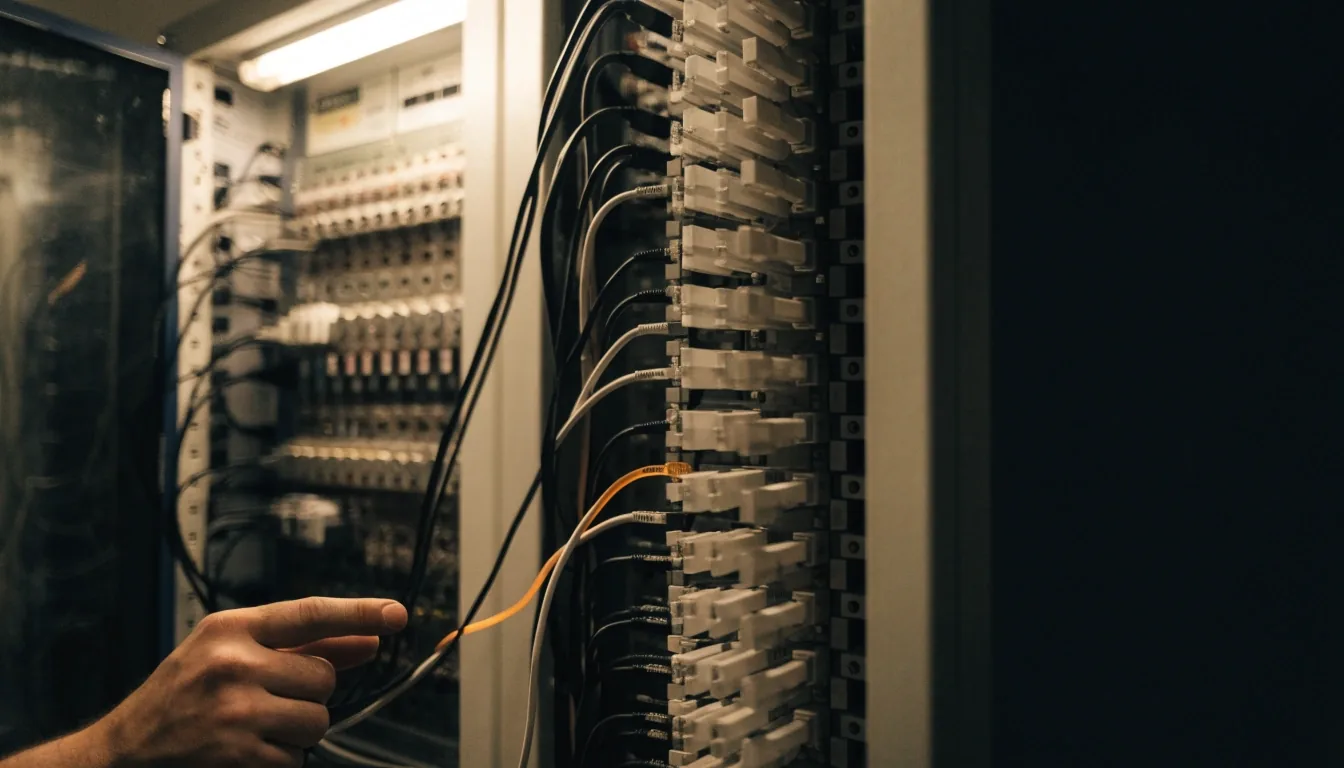
Legacy on the left. Cloud on the right. We run the cord — a London systems integration and digital services firm for UK organisations running serious estates.
What systems integration actually means here
In practice that means mapping data flows between an on-premise ERP and a cloud CRM, replacing a nightly file drop with an event stream, or giving a reporting layer read access to records that live in three places. It is unglamorous work and it is where most transformation budgets quietly fail. We start by documenting what exists, what depends on what, and which interfaces nobody currently owns. Until that map is drawn, every migration plan is a guess.
A written interface map of the estate as it is: what talks to what, on which transport, on which schedule, and who owns the handshake. This document is the deliverable most clients never had.
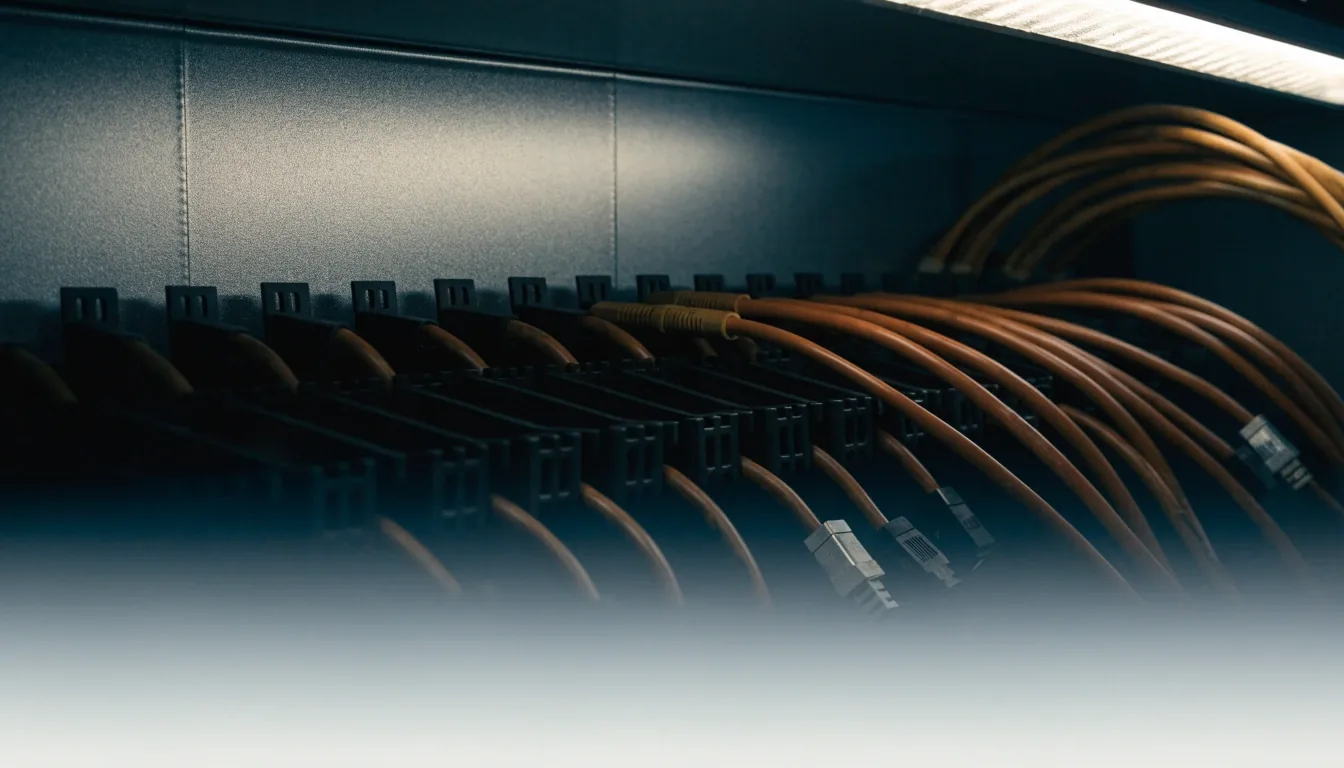
Workloads split on purpose: cloud for elasticity, hosted services for scale-out analytics, on-premise for the systems too entangled or regulated to move this year. AWS is one platform that commonly sits in these designs, alongside Microsoft and private cloud.
Once the join is live, somebody has to watch it at 3am. Monitoring across hybrid infrastructure, patch and change coordination, interface health, escalation for the systems your own team does not want to be on call for.
Hybrid cloud, without pretending everything moves
The integration problem is making the split invisible to the people using the services. In practice, this is what the visible notes on the cabinet door actually read.
Sectors where downtime has consequences
We work mainly in the sectors where change windows, rollback paths and audit trails are mandatory rather than courteous. Each row below is a sector we deliver into; the last column is what the delivery model guarantees on every interface we touch.
Public sector
Framework-style buying routes, named personnel, and security postures that survive scrutiny. A large share of work is shortlisted before anyone reads a technical proposal.
Financial services
Reviewed decisions, evidence trails a regulator can follow, and a preference for fewer logos and more named engineers on the project.
Utilities and energy
Operational technology alongside enterprise systems, where the interface is not merely read by the operator but drives physical plant.
Healthcare and digital health
Clinical and admin estates held together by interfaces that were not designed to meet, in environments where data protection shapes every design decision.
Critical infrastructure
Where the cost of an unplanned outage is measured in days, not hours — the sector where an audit trail on every interface we touch is non-negotiable.
How a project actually runs
Modernising a legacy estate is rarely a rewrite. It is a sequence — each step independently useful, so a programme that stalls halfway still leaves the estate better than it found it. The rail below is the sequence we actually walk.
We document what exists before anyone proposes a change. Source systems, target systems, dependencies, transport, schedules and the interfaces nobody currently owns. The deliverable is a map, not a plan; a plan without the map is a guess.
Every interface gets an explicit contract: authentication, least-privilege access to the data it needs, update frequency, failure behaviour and the monitoring rule that raises an alert when it behaves outside its pattern. Nothing exotic, but written down and reviewed.
Where risk warrants it, the old interface and the new interface run side by side. The two paths are compared, discrepancies are resolved, and the cutover is rehearsed before it happens rather than during it.
Cutover happens inside a change window agreed with the client, with a rollback path that has been rehearsed. If a cutover cannot be reversed quickly, it is not ready.
Co-managed IT suits organisations that have an internal team and want to keep it. We take the specialist load: monitoring across hybrid infrastructure, patch and change coordination, interface health, and escalation for the systems your team does not want to be on call for.
Once the join is stable, the interesting questions open up: which interfaces can be consolidated, which manual handovers are now safe to automate, and which parts of the estate are ready for the next stage. Optimisation is a returning exercise, not a phase.
Workflow automation, and where to point it
Automation is most valuable where a human is copying data between two systems that should already know about each other. Before we build anything, we count the manual steps, find the ones with a clear rule, and leave the judgment calls alone. Teams often arrive asking for a broad automation programme and leave the scoping session with three specific candidates instead. That is the right outcome. Automation that removes a well-defined handover is durable; automation that guesses at intent creates a new class of exception to manage.
Data interoperability
The first symptom of poor interoperability is usually a report nobody trusts. Figures pulled from two systems disagree, so someone maintains a spreadsheet to reconcile them, and that spreadsheet becomes the real source of truth. Fixing this means agreeing on identifiers, ownership and update frequency at the interface level, not at the dashboard level. Getting the plumbing right is what makes the analytics worth having.
Delivery model
Co-managed fits when there is an internal team worth keeping. Full outsourcing fits when there is nobody to co-manage with — and we say so when that is the case.
How buyers in this market evaluate integrators
Broad-line providers such as Softcat get compared on scale, vendor relationships and delivery breadth. Engineering-led consultancies such as BJSS get compared on delivery credibility in regulated programmes. Our honest position sits closer to the second: fewer logos, more named engineers on the project.
Read how a project runsIf you are buying rather than selling, the same structure tells you what to ask for in the evaluation pack.
What we don't do
Saying no early is cheaper for everyone than saying it in month four.
We don't do speculative proofs of concept that never reach production.
We don't take on migration work where the client cannot name an internal owner for the legacy system.
We don't sell licences or take vendor commissions, which keeps the architecture recommendation independent of what gets purchased.
We decline work when a client wants a cloud-only strategy for an estate that cannot support one this year.
Questions we get asked
By sequencing the change at the interface level rather than the system level. We document existing dependencies first, then replace one interface at a time, usually running old and new paths in parallel before cutting over. Change windows and rollback paths are agreed before any cutover happens.
Public sector, financial services, utilities and energy, healthcare and digital health, and critical infrastructure. In these environments integration decisions are reviewed, so the audit trail around an interface matters as much as whether it works.
Integration is the build work that connects systems. Managed services is the ongoing operation of what was built. Transformation consulting is the wider sequencing advice. They overlap, and a firm that only does one of them will tend to sell you the one it does.
Defined interfaces with explicit authentication, least-privilege access to the data each interface needs, logging that a reviewer can follow, and monitoring that raises an alert when an interface behaves outside its expected pattern. Nothing exotic, but consistently applied.
When you have an internal team worth keeping and want to add specialist coverage rather than replace it. If there is no internal capability to co-manage with, full outsourcing is the honest answer, and the delivery model should say so.
Starting a conversation
Bring the system map if one exists; if it doesn't, that is the first thing we would produce. We usually ask about the interface that causes the most support tickets, the compliance obligations attached to the data, and who currently holds operational responsibility after hours. From there we can outline an approach, a rough sequence and the decisions you would need to make. There is no charge for that first session.
Who we are, in one paragraph
SOLARIS INNOVATIONS LTD is registered in England with company number 17483962 and operates from 1 New Change, London, EC4M 9AF. The people who scope the work are the people who deliver it, which is unusual at our end of the market and is the main reason clients stay. Our focus is the join between old and new systems in UK organisations where getting that join wrong has real consequences.